GitHub Copilot Side Hustle in 2026: How to Turn AI-Assisted Coding Into Real Monthly Income
If you can ship useful code quickly, GitHub Copilot has made solo technical freelancing faster than ever. But speed alone doesn’t pay you—positioning and offer design do.
Most creators talk about Copilot like it’s a magic autocomplete tool.
That’s outdated.
In 2026, Copilot is a workflow accelerator: chat, code review assist, agent mode, and coding-agent flows that can work from issues and open pull requests for review.
The opportunity isn’t “write code with AI.”
The opportunity is: sell outcomes to clients while using Copilot to compress delivery time without tanking quality.

Why this side hustle is hot right now
Three reasons:
- **Demand:** businesses want faster dev cycles and lower prototyping costs.
- **Tool maturity:** Copilot supports more than line completion (chat, edits, and agentic workflows).
- **Market acceptance:** clients increasingly care about turnaround + maintainability, not whether you typed every line manually.
A useful signal: GitHub’s own docs and product pages now emphasize agent mode/coding agent and pull-request-centric workflows, while freelance marketplaces now have dedicated Copilot specialist categories.
So yes—this is no longer niche.
What you’re actually selling (not “Copilot prompts”)
If you want predictable income, don’t sell tool usage. Sell one of these:
- **MVP Build Sprint** (ship a small app feature fast)
- **Automation/API Integration** (connect systems and eliminate manual steps)
- **Legacy Refactor Sprint** (clean up old code + tests)
- **Bug-Fix Retainer** (small ongoing improvements)
- **Developer Efficiency Consulting** (set up Copilot workflows for a team)
Think in outcomes:
- Faster releases
- Fewer repetitive tickets
- Better test coverage
- Lower engineering bottlenecks
That’s what closes deals.
6 ways to make money with GitHub Copilot in 2026
1) Build MVP Features for Startups on Fixed Scope
Offer: “I’ll ship your next feature in 5 days with docs + tests.”
Why it works:
- Founders need velocity
- Teams have backlogs they can’t clear
- You can leverage Copilot for scaffolding/tests/refactors

Actionable Steps
- Pick one stack you already know (Node/React, Django, Laravel, etc.).
- Define a hard offer: one feature type, one timeline, one revision window.
- Build 2 “before/after” case examples (real or sandbox).
- Create delivery SOP: spec → branch → PR → QA checklist → handoff docs.
- Start with fixed-scope pricing ($400–$2,000 depending on complexity).
- Add optional monthly support retainer after delivery.
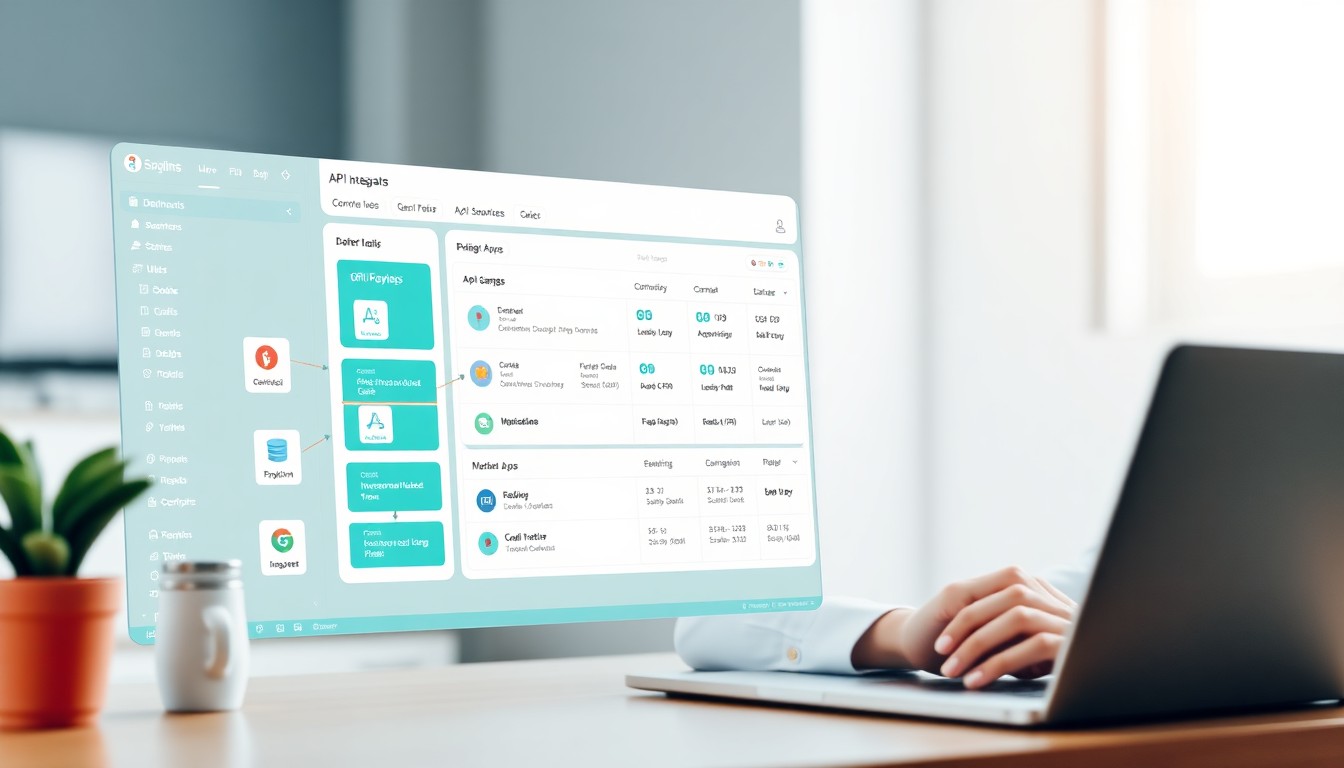
2) API & Automation Integrations for SMBs
Offer: “I’ll connect your tools and automate your manual workflow.”
Examples:
- CRM + email tool sync
- Stripe + internal reporting pipeline
- Webhook handlers + Slack notifications
- Lead enrichment and qualification flows
Actionable Steps
- Choose 3 integration combos to specialize in (e.g., HubSpot + Slack + Airtable).
- Build reusable integration templates and error-handling patterns.
- Create an “Automation Audit” checklist you can run in 30 minutes.
- Charge audit + implementation separately.
- Add monitoring/maintenance as recurring revenue ($150–$1,000/mo).
3) Codebase Cleanup + Test Coverage Sprints
Offer: “I’ll reduce tech debt and increase test confidence in 7 days.”
Why clients pay:
- Most teams postpone cleanup
- Bugs and slow releases cost money
- Copilot speeds repetitive testing/refactor boilerplate

Actionable Steps
- Offer a paid mini-audit of hotspots (duplicate code, flaky tests, untyped modules).
- Prioritize one subsystem only (don’t boil the ocean).
- Use measurable KPIs: test coverage delta, bug count trend, PR cycle time.
- Ship changes in clean PR chunks with clear reviewer notes.
- Present a 30-day stabilization plan as phase two.
4) PR Throughput Service for Agencies
Offer: “I’ll clear your PR backlog and ship review-ready improvements weekly.”
Agency pain:
- Too many small tickets
- Too little senior time
- Client deadlines stacked

Actionable Steps
- Target agencies with active repos and visible backlog pain.
- Offer a one-week trial sprint with strict coding standards.
- Use Copilot to accelerate repetitive work while enforcing lint/tests.
- Provide a weekly PR dashboard: merged, pending, blocked, risk notes.
- Convert to monthly throughput retainer.
5) Copilot Workflow Setup for Engineering Teams
Offer: “I’ll implement a practical Copilot workflow for your dev team.”
This is consulting + enablement:
- Prompt patterns for your codebase
- Policy for review and quality gates
- Agent/issue workflow design
- Team playbook and onboarding

Actionable Steps
- Run discovery interviews with 3–5 developers.
- Map current bottlenecks (review lag, flaky tests, repetitive tickets).
- Build team playbook: when to use completions/chat/agent flows.
- Define guardrails: security checks, review rules, PR templates.
- Train the team in a 90-minute workshop + two follow-up sessions.
- Sell quarterly optimization reviews.
6) Niche Micro-Products Built Faster With Copilot
Offer: small paid tools for a specific audience
Examples:
- Real-estate lead follow-up scheduler
- Freelancer invoice reconciliation helper
- Creator sponsorship tracker
- Ecom SKU margin calculator

Actionable Steps
- Pick one audience with recurring pain and willingness to pay.
- Validate with 10 conversations before building.
- Build v1 around one job-to-be-done.
- Add payment + onboarding + basic docs.
- Launch to a focused channel (community, newsletter, LinkedIn).
- Improve based on support requests, not random feature ideas.
Pricing: what to charge without undercutting yourself
Starter ranges:
- Micro feature sprint: **$400–$1,500**
- Integration project: **$600–$3,000**
- Refactor/test sprint: **$700–$2,500**
- Team enablement workshop: **$1,000–$5,000**
- Monthly support retainer: **$300–$3,000/mo**
Use this rule:
- Price by **business outcome + risk**, not by hours.
- If client gets faster release cycles or fewer production errors, you’re not a cheap code typist—you’re leverage.
Quality control (how to avoid AI-generated mess)
Yes, Copilot helps speed. But careless use causes expensive bugs.
Your minimum standards:
- **Spec-first development** (acceptance criteria before code)
- **Test coverage on modified logic**
- **Security pass for auth/data/payment paths**
- **PR notes that explain reasoning**
- **No blind copy-paste from suggestions**
Use Copilot as force multiplier, not autopilot.
A practical 14-day launch plan
Days 1–2: Positioning
- Pick one service from the six above
- Define niche + stack + promise
- Create a clear offer page (or one-pager)
Days 3–5: Proof assets
- Build two mini case studies
- Record one Loom walkthrough
- Write one technical teardown post
Days 6–10: Outreach
- Contact 30 highly-targeted prospects
- 10 Upwork proposals tailored to active jobs
- 5 warm network pings
Days 11–14: Close and deliver
- Run discovery calls
- Sell pilot project with fixed scope
- Ship fast + collect testimonial + upsell retainer
If you execute this properly, first revenue can happen inside 2–3 weeks.
What this looks like in real numbers
Conservative scenario:
- 2 small projects/month at $900 average = $1,800
- 1 retainer at $600 = $600
- Total = **$2,400/month** side income
Stronger scenario:
- 3 projects/month at $1,500 = $4,500
- 2 retainers at $1,000 = $2,000
- Total = **$6,500/month**
No fantasy required. Just niche focus + reliable delivery.
Final take
If you’re technical and want a serious AI side hustle, GitHub Copilot is one of the best 2026 vehicles because it accelerates work clients already pay for.
Your advantage is not “I use Copilot.”
Your advantage is:
- fast scoped delivery,
- maintainable code,
- and repeatable client outcomes.
That combination prints referrals.
If you want my recommendation: start with API/automation integrations or MVP feature sprints. Fastest path to first paid wins.
Research signals used
- GitHub Copilot plans/pricing + feature docs (chat/agent/coding-agent workflows)
- GitHub Docs on coding agent and PR generation from issues/chat
- GitHub/product research on productivity impact
- Freelance marketplace demand indicators for Copilot specialists